There was a time when becoming a Bollywood star meant becoming larger than life. An actor was not merely someone audiences watched on screen; they were someone people dreamed of meeting, waited hours to catch a glimpse of, and sometimes worshipped like a god. A photograph, a magazine interview, or a rare television appearance could make fans feel closer to their favourite star. Today, that distance has almost disappeared. And perhaps, in making celebrities more accessible, social media has taken away something that once made stardom extraordinary.
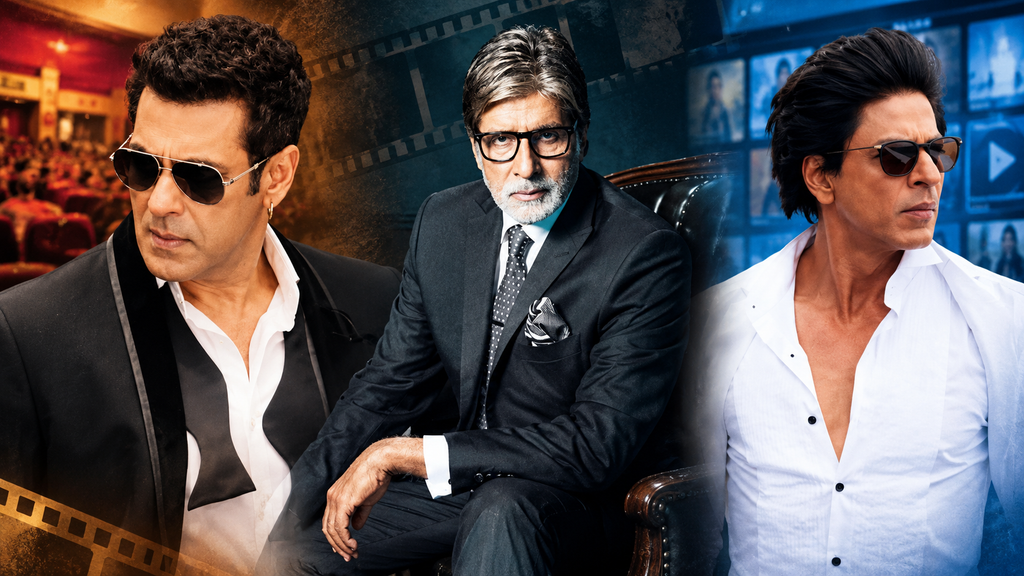
For decades, Bollywood built its biggest stars around a certain degree of mystery. Amitabh Bachchan, Rajesh Khanna, Dharmendra, Sunny Deol and the Khans represented different generations of stardom. Their popularity was not limited to the films they made; it extended to the personalities audiences imagined beyond the screen. Fans wanted to know what these actors were like in real life, but access to that world was limited. A magazine cover, a rare interview, or a glimpse outside a film studio could become an event in itself.
The stars were visible, but their everyday lives were not.
That distance created aspiration. When audiences watched Amitabh Bachchan deliver a powerful dialogue or saw Shah Rukh Khan spread his arms on screen, they were not simply watching an actor perform. They were witnessing a personality that had become an institution in popular culture. The screen created a world in which these individuals appeared almost untouchable.
Stardom was not just about being recognised; it was about being difficult to reach.
From Mystery to Constant Visibility
Social media has fundamentally changed this relationship between celebrities and their audiences.
Today, actors share photographs from their homes, post holiday videos, discuss their fitness routines, celebrate birthdays with their families, and communicate directly with fans. Instagram, YouTube and other platforms have transformed celebrities from distant public figures into people whose everyday lives can be followed through a phone.
A fan no longer needs to wait for a magazine interview to discover what an actor is doing. They can watch an Instagram Story, read a post, comment on a photograph or send a direct message. While a reply from a major star remains rare, the possibility of direct interaction itself creates a sense of accessibility.
This has changed the psychology of celebrity culture. Earlier, fans waited for stars to appear in public. Now, stars frequently appear on fans’ screens without being asked.
The result is a paradox: celebrities have never been more visible, yet their visibility does not always translate into the same level of fascination.
When an actor’s life is constantly documented, fewer things remain mysterious. The person behind the screen becomes increasingly familiar, and familiarity can gradually weaken the sense of wonder that once surrounded a star.
Everyone Has an Audience, but Does Everyone Have Stardom?
Perhaps the biggest change social media has introduced is the democratisation of fame.
Earlier, becoming a household name generally required a combination of successful films, industry support, media attention and sustained public interest. Today, an individual can build a massive following through comedy videos, lifestyle content, dance, fashion or a viral moment without ever appearing in a theatrical film.
This has opened doors for new talent. Influencers can become actors, independent creators can build their own audiences, and performers who might never have received a traditional Bollywood opportunity can find recognition online.
That is a positive development.
However, it has also created a distinction between popularity and stardom.
An influencer may have millions of followers, receive thousands of comments and trend regularly on social media. Yet that does not automatically mean they possess the cultural influence, emotional connection or cross-generational recognition associated with the biggest Bollywood stars.
Followers measure an online audience. Stardom is much harder to measure.
It is reflected in the excitement surrounding a film’s release, the response to a star’s appearance in a public space, the loyalty of audiences across generations and the ability to attract attention even after years away from the spotlight.
Social media has made fame easier to access and measure. It has not necessarily made genuine stardom easier to achieve.
When Fans Became Followers
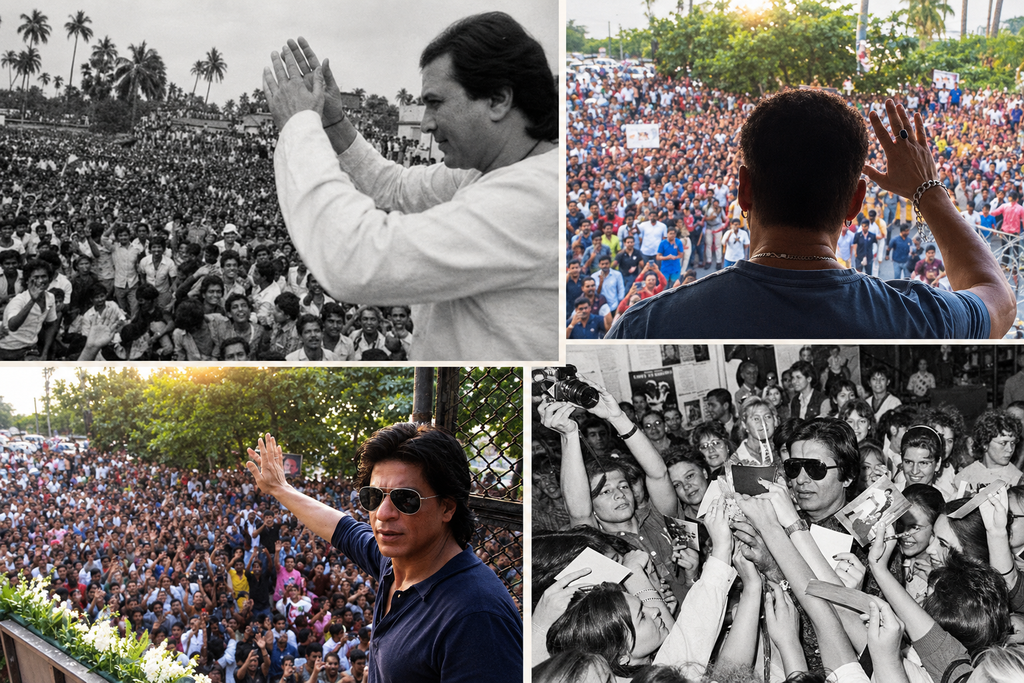
There was a time when meeting a favourite actor could become a lifelong memory. Fans travelled long distances, waited outside homes, gathered near studios and sometimes spent hours hoping for a photograph or an autograph.
The relationship was built on anticipation. An appearance was special because it was uncommon.
Today, a celebrity can share dozens of photographs and videos in a single week. Fans may see their favourite actor exercising, eating, travelling or attending a family celebration. The audience gets a continuous stream of access that previous generations could scarcely imagine.
But constant access comes with a cost. When everything becomes ordinary, even extraordinary people can begin to appear ordinary.
This does not mean fans have stopped admiring actors. Rather, the nature of admiration has changed. The older relationship often involved distance, imagination and idealisation. The newer relationship can involve familiarity, online conversations, fan edits, comment sections and digital communities.
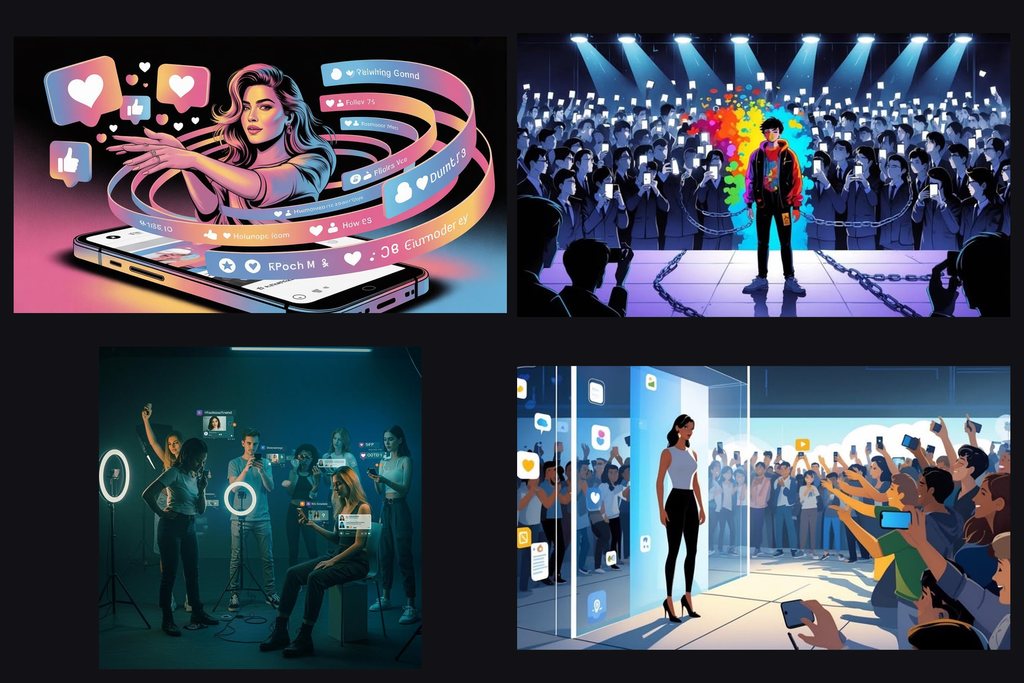
There is also a new kind of competition. Every celebrity, influencer and content creator is fighting for attention in the same digital space. A major film star’s announcement can appear alongside a creator’s viral video, a comedian’s reel or a stranger’s trending post.
Attention has become fragmented.
Earlier, a major star could dominate public conversation through a film release or a rare appearance. Today, the next viral moment is always waiting around the corner.
The Khans, Amitabh Bachchan and the Changing Meaning of Stardom
Consider the different generations of Bollywood stars. Rajesh Khanna’s extraordinary popularity, Amitabh Bachchan’s enduring cultural authority, Dharmendra’s mass appeal, Sunny Deol’s powerful screen persona, and the enormous followings of Shah Rukh Khan, Salman Khan and Aamir Khan were built in different circumstances.
Their stardom developed in an environment where cinema, television and print media played a more concentrated role in shaping popular culture. Audiences had fewer channels through which to encounter their favourite stars, and theatrical appearances could carry enormous emotional weight.
Today’s actors operate in a different environment. They must often manage not only their films but also their online presence, public image, brand collaborations and engagement with digital audiences.
Akshay Kumar, Ajay Devgn and Suniel Shetty belong to a generation that experienced the transition from a more traditional celebrity culture to a digitally connected one. Their careers also demonstrate that established stars can adapt to changing times.
The difference is not simply that older stars were bigger and newer stars are smaller. It is that the machinery of fame has changed.
A film star once had to rely heavily on the cinema screen to maintain a public image. Now, a celebrity can remain visible even when they have no film releasing. Conversely, an actor can trend online for weeks without that attention translating into a successful theatrical opening.
The relationship between visibility, popularity and box-office success has become more complicated.
Has Social Media Destroyed the Magic?
I would argue that social media has not ended Bollywood stardom, but it has weakened some of the conditions that once made it feel magical.
The positive side is undeniable. Social media gives emerging actors a platform, allows filmmakers to connect directly with audiences, and makes the industry more accessible. Fans can discover independent cinema, follow new performers and engage with artists beyond traditional publicity campaigns.
But the negative side deserves equal attention.
When celebrities share too much, the audience has less room to imagine. When every moment becomes content, personal life can become another publicity strategy. When fame is measured through followers, likes and trending hashtags, long-term artistic credibility can sometimes be overshadowed by short-term visibility.
The constant demand for online engagement can also pressure actors to behave like content creators. They are no longer judged only by their performances; audiences may also expect them to be funny, relatable, fashionable, outspoken and constantly present online.
An actor’s absence from social media can now seem like a publicity problem, even when that absence might help preserve their privacy and mystique.
Perhaps the real question is not whether celebrities should communicate with their fans. It is whether constant communication has become so important that we have forgotten the value of distance.
Stardom Is Not Dead. It Has Become Harder to Sustain.
Amitabh Bachchan continues to command respect. Shah Rukh Khan has demonstrated that theatrical superstardom can still produce extraordinary public excitement. Other established and emerging actors continue to build loyal audiences through their work.
These examples challenge the idea that social media has completely ended stardom.
What has changed is the way stardom is created, maintained and experienced. Online popularity can arrive overnight, but lasting stardom still requires something more: memorable performances, a distinctive screen presence, emotional connection and the ability to remain relevant beyond a single trend.
Social media can make a person famous. Cinema can give that fame a larger cultural stage. But only a sustained relationship with audiences can turn popularity into an enduring legacy.
The stars of the past were not necessarily more talented than every actor working today. Nor was the earlier era free from manufactured publicity. The difference was that audiences encountered celebrities through fewer channels, allowing their public images to retain a greater degree of mystery.
Today, the challenge for a Bollywood star is to remain accessible without becoming overexposed, relatable without losing individuality, and visible without allowing visibility to become the only measure of success.
The Final Frame
Perhaps we are not witnessing the end of Bollywood stardom, but the end of an older relationship between stars and their audiences.
Earlier, people went to the cinema to see their favourite actors and waited for glimpses of their lives beyond the screen. Today, they can follow those lives every day and then decide whether to watch the film.
The direction of the relationship has changed.
The next generation of superstars will certainly emerge. But their challenge will be different from that of the stars who came before them. They will have to create a sense of wonder in a world where almost everything is visible, where attention is divided, and where millions of people can become famous without becoming iconic.
Because in the end, being seen by millions is not the same as being remembered by generations.
And perhaps that is the greatest lesson of Bollywood’s changing relationship with social media: fame may belong to everyone, but stardom still has to be earned.