A Gujarati film brings together music, family dynamics and the realities of changing livelihoods, exploring how tradition adapts in an increasingly technology-driven world.
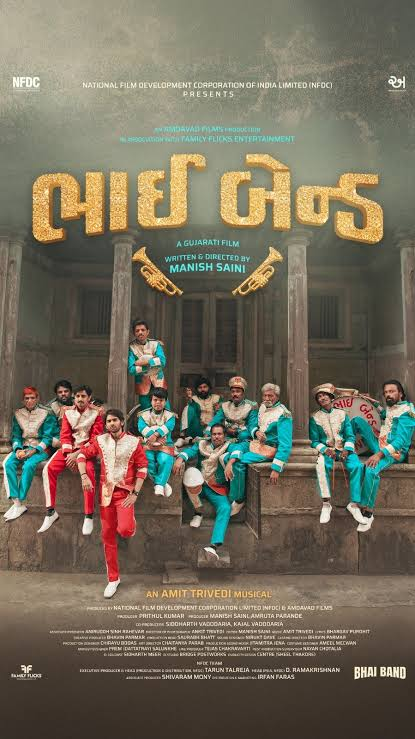
GOA: A wedding celebration is often remembered for its music, the people who bring it to life and the traditions that make it special. But what happens when the sounds that once defined these celebrations begin to change? This question forms the backdrop of Bhai Band, a Gujarati film directed by Manish Saini, which was presented in the Gala Premiere section of the 57th International Film Festival of India (IFFI) 2026 in Goa.
Set against the backdrop of a village, the film introduces audiences to two brothers whose livelihood revolves around running a traditional wedding band. Their shared profession is more than just a source of income; it is closely connected to their everyday lives and relationship. However, a disagreement creates a distance between them, setting the stage for an unexpected turn of events.
The situation takes an interesting direction when one of the brothers returns after several weeks, this time equipped with a DJ system, large speakers and a playlist on his phone. The arrival of this modern setup challenges the very musical tradition that the brothers once shared. What follows brings humour and conflict into a narrative that reflects the changing landscape of wedding entertainment and the pressures faced by traditional occupations.
Rather than limiting itself to a story about competing musical arrangements, Bhai Band touches upon a wider reality: the influence of technology on established professions. As newer forms of entertainment become increasingly accessible, traditional performers and community-based occupations are often required to rethink how they sustain themselves. Through its central conflict, the film brings this transition into a familiar social setting.
The film’s title itself carries an interesting connection to its narrative. During a press interaction at IFFI, Saini explained that Bhai Band brings together two meanings — the bond between brothers and the wedding band that lies at the centre of their story. This combination gives the title a significance that extends beyond the film’s musical setting.
Speaking about the project, Saini highlighted that although the film is deeply rooted in Gujarati language and culture, its themes are not limited to a particular region. He also emphasised the importance of taking regional stories and artistic expressions to audiences across the country, allowing them to find recognition beyond their linguistic and geographical boundaries.
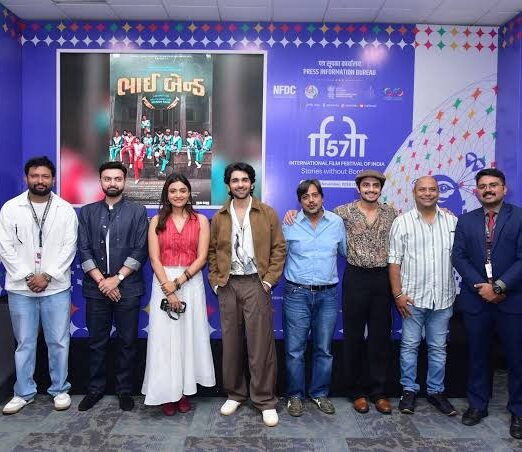
For actor Prit Kamani, the film also marked his first experience in Gujarati cinema. Sharing his thoughts at the press interaction, he spoke about the creative environment on set and his experience of working with Saini. He also recalled an interesting detail from the casting process, revealing that he had personally asked the director to conduct a screen test before finalising him for the role.
Actor Chirag Katrecha discussed the process of understanding his character and bringing authenticity to the performance. He also spoke about the challenges of portraying a singer, describing it as an experience that required considerable effort but remained engaging throughout.
Actress Shraddha Dangar shared her experience of playing a cheerful character and spoke positively about the collaboration with the film’s cast and crew. Together, the actors bring different perspectives to a story that combines family relationships with the changing nature of everyday traditions.
Beyond its presence at IFFI, Bhai Band also received the Reborn India Film Distribution Award at the 20th edition of WAVES Film Bazaar 2026. The recognition adds another milestone to the film’s journey, particularly as distribution opportunities play an important role in helping independent and regional productions reach wider audiences.
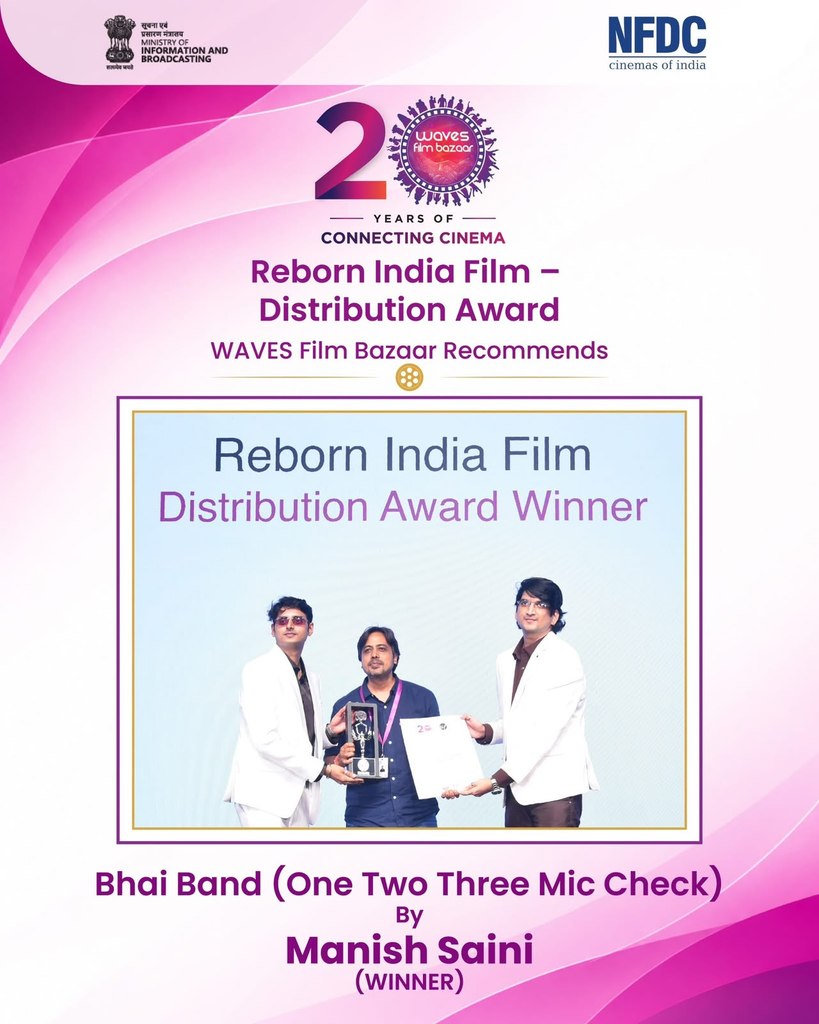
The recognition also reflects the importance of platforms such as WAVES Film Bazaar, which connect filmmakers with industry professionals and create opportunities for projects to move towards wider circulation. For regional films, such avenues can be particularly valuable in bringing stories rooted in local cultures to audiences beyond their immediate markets.
With its blend of music, humour and family dynamics, Bhai Band brings attention to a transition that many traditional professions continue to experience. Its setting may be distinctly Gujarati, but the questions it raises about changing livelihoods, technological influence and relationships extend well beyond one community.
As Indian cinema continues to make space for stories from different languages and regions, films like Bhai Band demonstrate how familiar cultural settings can become the starting point for conversations with a much wider audience.