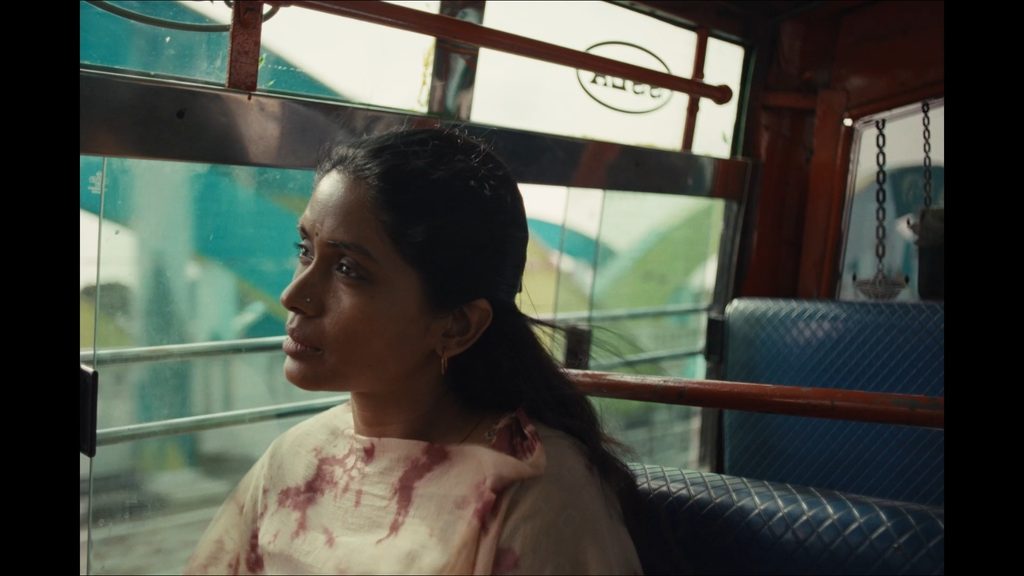
As “Selvi” reaches Busan, the actor-producer explains why she started a production house on her own terms. Plenty of actors eventually start a production company. Usually it is a vehicle: a banner under which they can cast themselves in the roles nobody else will offer. Anjali Patil says she wanted nothing of the kind. She has told PTI that she isn’t one of those actors who becomes a producer to star in their own films, and that her first few productions were driven by a need to show she was a serious producer. Fifteen years and more than 50 films into her career, she has spent the last several years building something quieter than a star vehicle. It is a production house that works more like a collective than a studio.
A career built on the margins.
Patil’s acting record already shows where her sympathies lie. An early Best Actress win at IFFI in 2012 for the Sri Lankan film With You, Without You was followed by a special mention at the 2014 National Film Awards for the Telugu film Naa Bangaaru Talli. She has worked in Hindi, Marathi, Tamil, Telugu and more, and her roles have tended toward people the screen rarely centres: a Naxal leader in Chakravyuh, a woman holding her ground in Newton, a social worker in Kaala. She has said that in recent years she has acted less, as writing and producing have taken up more of her time. That shift has produced a body of work that does not look like an actor’s side project.
What Anahat actually is
Her company, Anahat Films, supports directors rather than an actor’s ambitions. Patil describes it as a cooperative system in which the company makes films, or backs filmmakers who want to make a particular kind of film, and she talks about trying to keep a certain innocence in the work.
The track record points the same way. Anahat produced her own documentary debut, Neither a Girl Nor a Woman, in 2021. She is also one of a long list of co-producers on Shadowbox, the debut feature by Tanushree Das and Saumyananda Sahi, which premiered at the Berlinale in February 2025. She also co-produced The Moogai, the Australian horror film that opened at Sundance in 2024. Those are unusual credits for a performer, closer to a collaborator’s than a patron’s.
“Selvi” and the test of the model
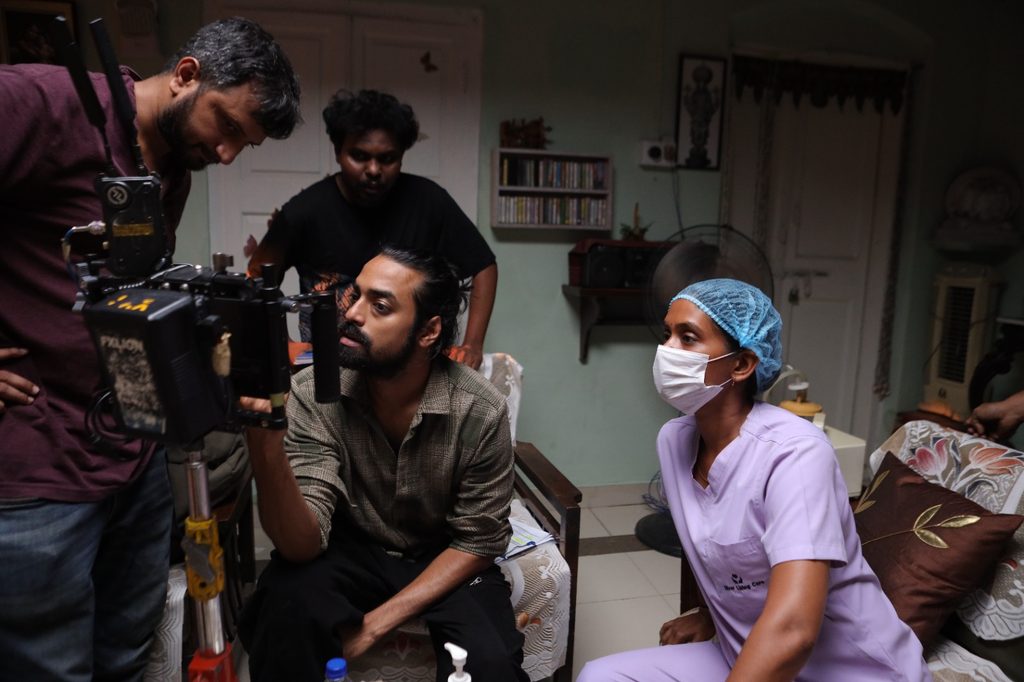
Selvi is where the approach faces its biggest test. The Tamil drama marks the debut of director Sailesh. Patil produced it through Anahat and also stars in it. The story follows a homecare nurse who takes over her collapsed friend’s shifts on top of her own, moving between homes and working with almost no rest. It is a film about labour that goes unseen, told through routine rather than spectacle.
The project began at Anahat Films and was selected as a work-in-progress title at the Hong Kong-Asia Film Financing Forum. The team arrived with an almost ready cut and a locked edit, looking for funding for post-production. The film later received Red Sea postproduction support.
It has since been screened at 31st Busan International Film Festival and 50th São Paulo International Film Festival which she says gives a producer credibility and relief.
Her own performance surprised even her. When she saw the first cut, she looked at Sailesh and told him she didn’t know who that girl was. For an actor with so many films behind her, that is a telling reaction, and she has said the audience response to this one has been warmer than almost anything before.
What comes next
Patil’s plans show the model extending rather than closing. She is preparing to make her directorial debut, and Anahat is developing Sailesh’s second feature. Her debut, tentatively titled Average Girl, is a quirky, funny science-fiction film. She wrote it herself and has been working on it for six years. She has also said she wants her upcoming work to balance art with audience-friendly cinema, aiming for what she calls a sweet spot in between.
Why it matters
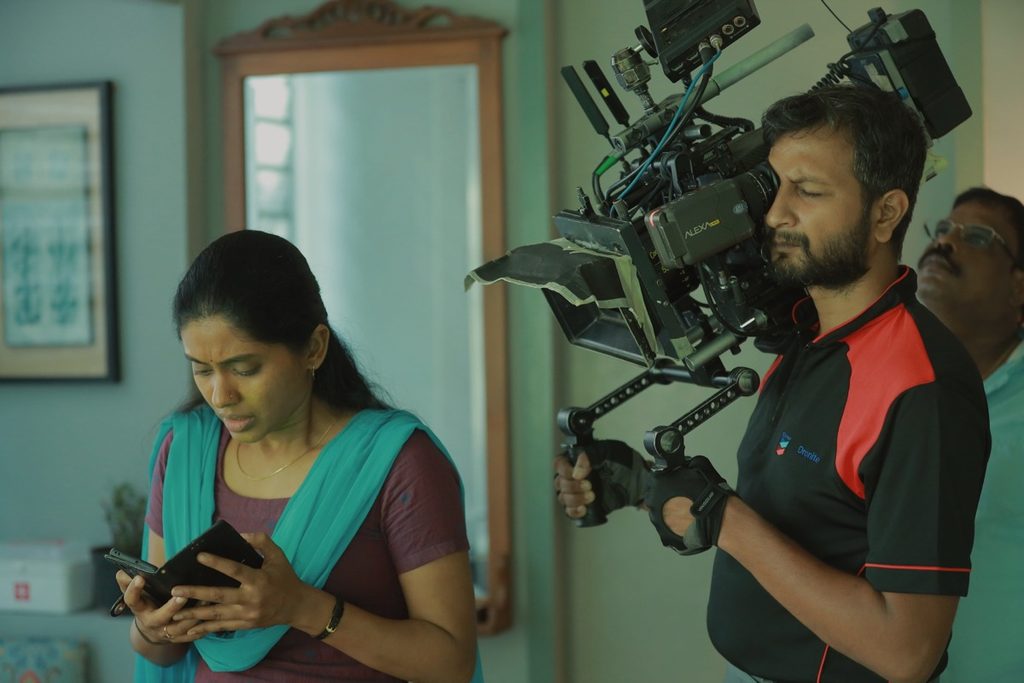
The Indian independent scene has no shortage of talent. What it lacks is infrastructure: people with the standing to open doors who choose to spend that standing on other people’s films. Patil’s bet is that a company run on trust, patience and shared ownership can do what a conventional star-led banner cannot.
The next step for Selvi is to move past the festival circuit. After its festival run, the makers want to take the film to cinemas rather than rely on a festival-only approach. That ambition makes it a useful case study for filmmakers asking what a sustainable independent route looks like.